The Kinetech Alert Medical Passport and KCA-10 Audit
Protect your loved ones
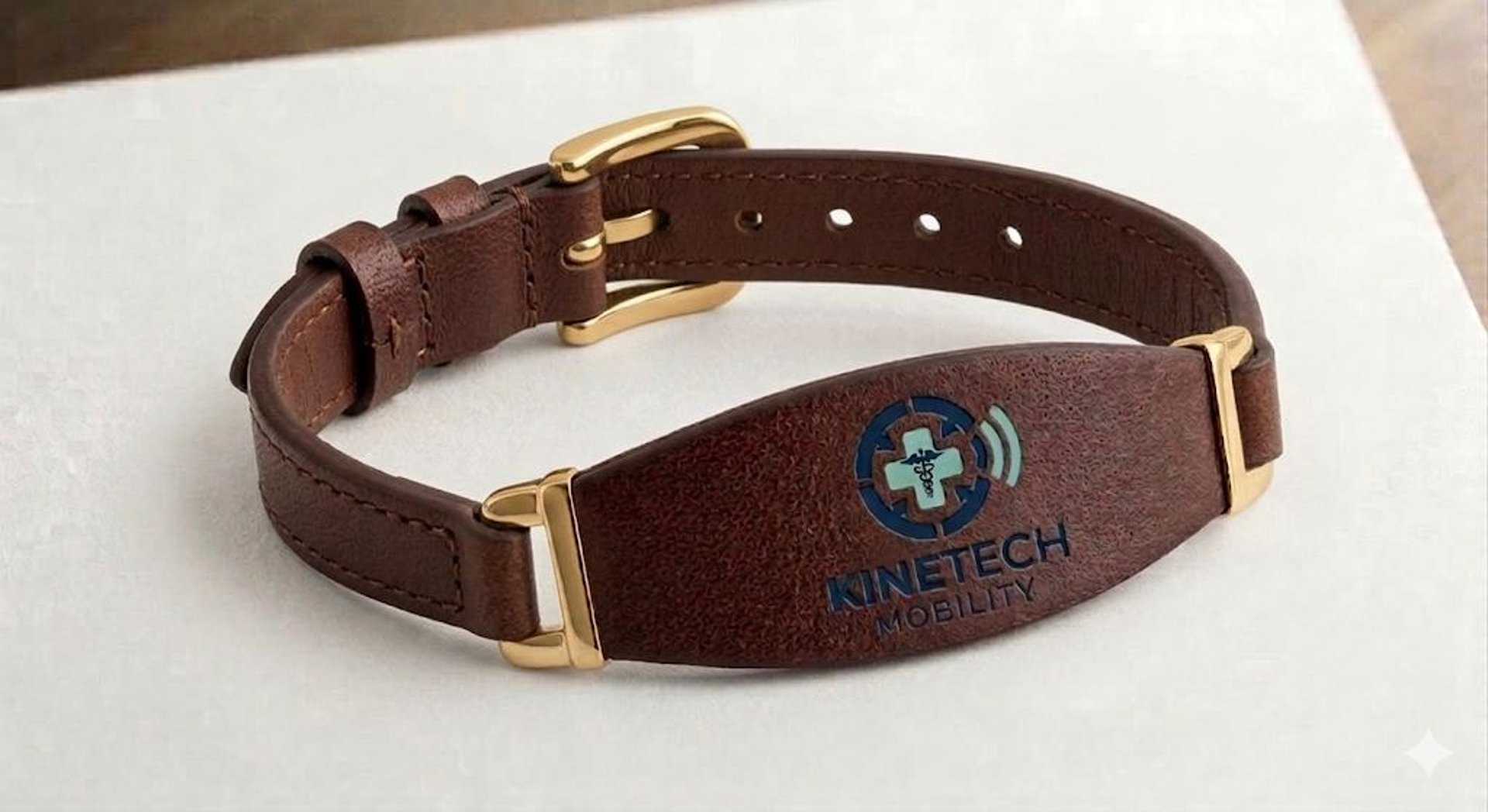
How Kinetech Alert works.
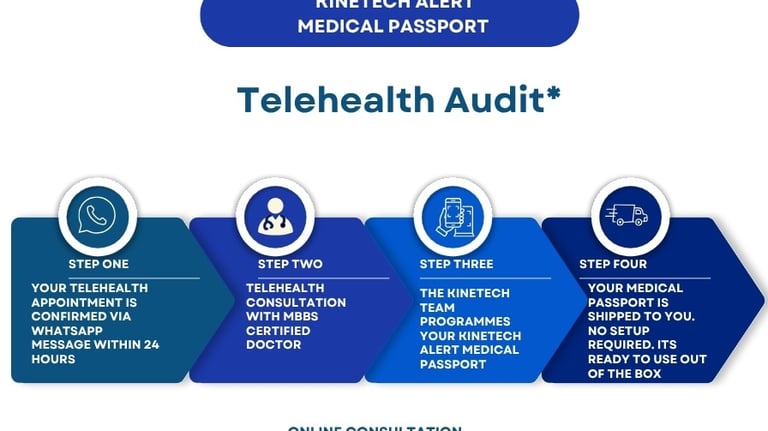
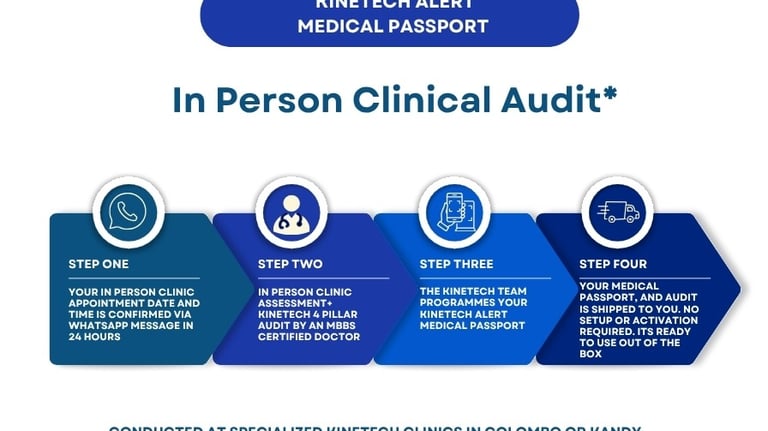
Step 1: The Clinical Audit
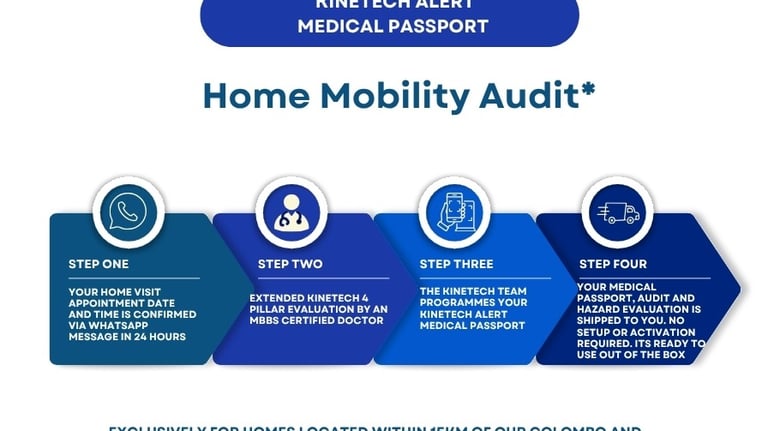
Our MBBS-trained doctors will review clinic books, summarize the critical data, and lock it into your Alert passport. We manage the digital setup so you don't have to.
Step 2: Place and Forget
Your passport arrives fully configured. Kinetech Alert is 100% waterproof and requires absolutely zero charging. Keep it on your person, and take it for doctors visits.
Step 3: Tap to alert
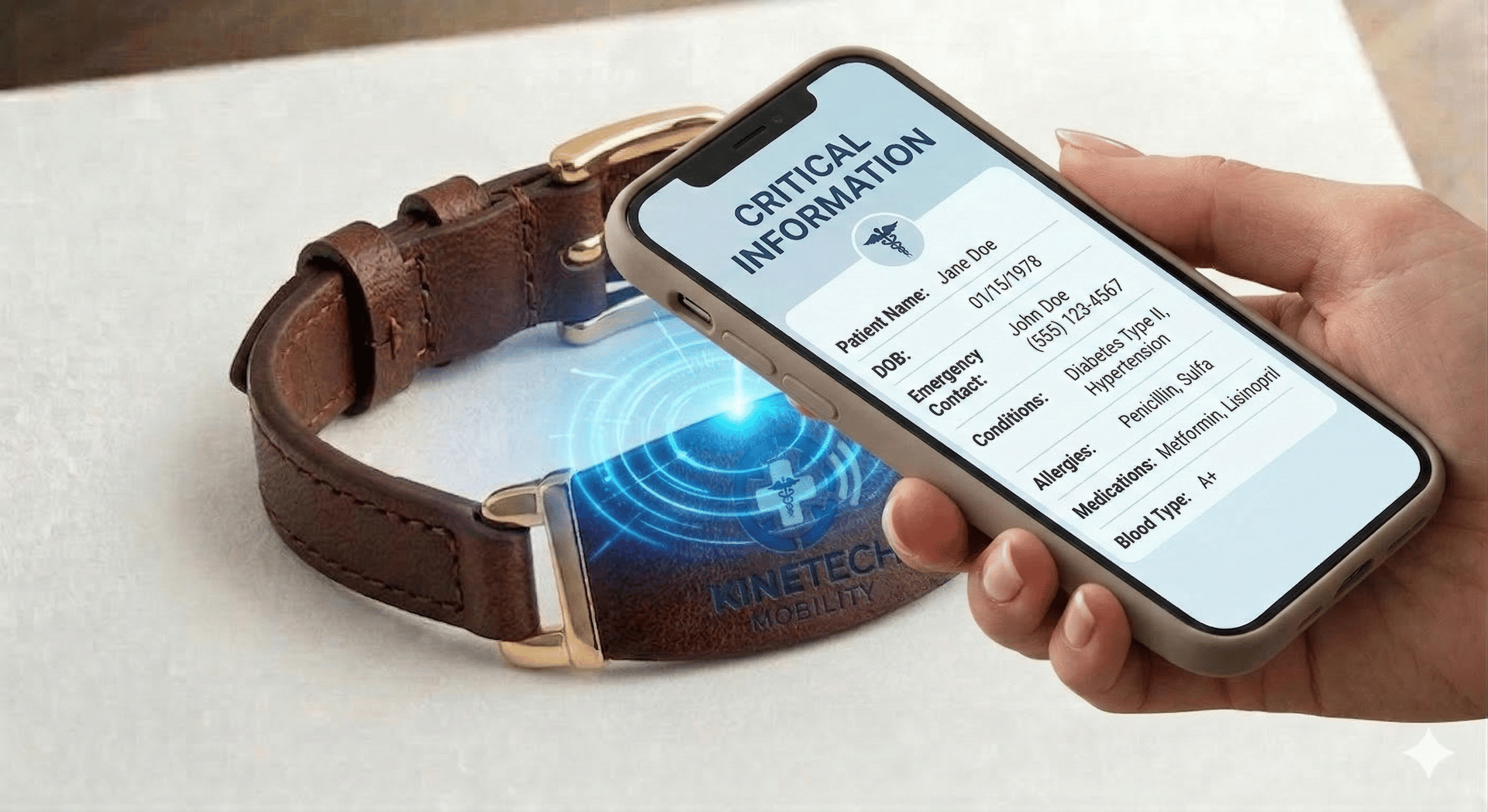
In an emergency, first responders tap the KineTech cross with their smartphone. Life-saving, medically summarized data instantly appears on their screen. No apps required.
What happens when you purchase your Kinetech Alert Passport?
One tap is all it takes
The era of bulky, easily misplaced clinic books is over.
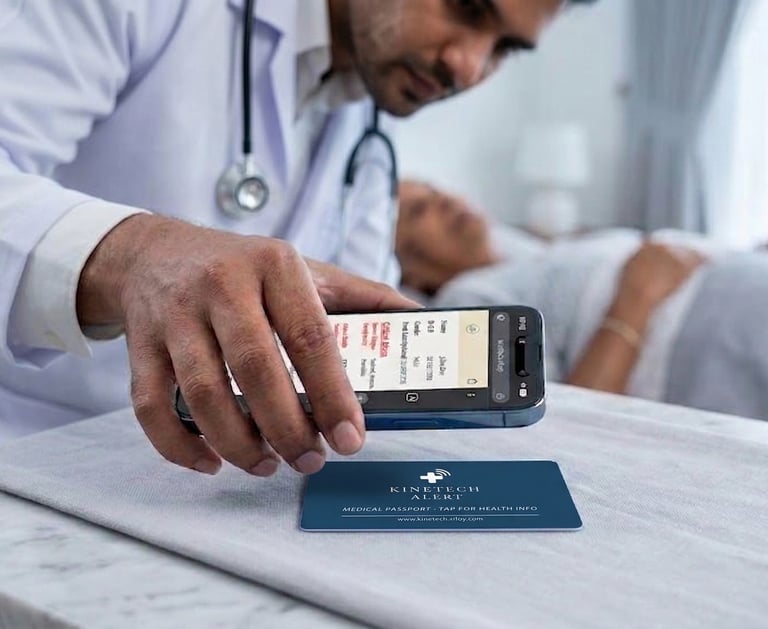
Your medical care provider will be able to access you or your loved ones,
Allergy history
Blood Type
Short Medical History and Medications
Past Medical Investigations
Emergency Contact details
With a simple tap of your Kinetech Alert Passport
The KCA-10 Audit
Biomechanical & Environmental Triage (Mobility, Fall History, Environment): We screen for the physical realities of the patient. A mechanical fall is a high-probability event. If a patient requires gait aids or lives alone, their risk of an unwitnessed emergency increases.
Pharmacological Review (Polypharmacy, High-Risk Meds, Allergies): Patients frequently mix government OPD prescriptions with private consultant medications. Identifying undocumented allergies or the presence of anticoagulants is the difference between a successful intervention and a medical disaster.
Systemic & Cognitive Profiling (Cognition, Cardiac, Communication, Directives): Assessing memory impairment, language barriers, and critical cardiac history (e.g., pacemakers) ensures that if the patient arrives unresponsive, the attending physician is immediately warned of hardware or cognitive limitations that complicate acute management.
Kinetech Mobility
Find us on social media!
Contact
Newsletter
kinetech.mobility@gmail.com
+94760401743
© 2024. All rights reserved.